
Scoliosis Coaching Berlin
Scoliosis Coaching Berlin: Less Tension in 8 Weeks
You live with scoliosis.
You know your spine is curved. But you don’t truly understand how this affects your body. Why do you constantly experience tension? Why don’t normal exercises help? Why does it feel like it’s getting worse?
This is because every scoliosis is different.
As seen in




Alexander Reufels
Google Review
Do any of these sound familiar?
- You have scoliosis but don't really understand how it's affecting your body
- You get dizzy often and deal with regular headaches
- You have constant tension in your neck
- You feel a sharp, stabbing pain under your shoulder blade, and one shoulder is less mobile than the other
- Massages only help temporarily – the tension always comes back
- Exercise hasn't helped your symptoms, or has even made them worse
- You're worried about your posture getting worse over time
- Generic YouTube exercises don't work because they're not tailored to your specific type of scoliosis"
Client Reviews
Alexander Troshkin
Google Review
Kevin Dittrich
Google Review
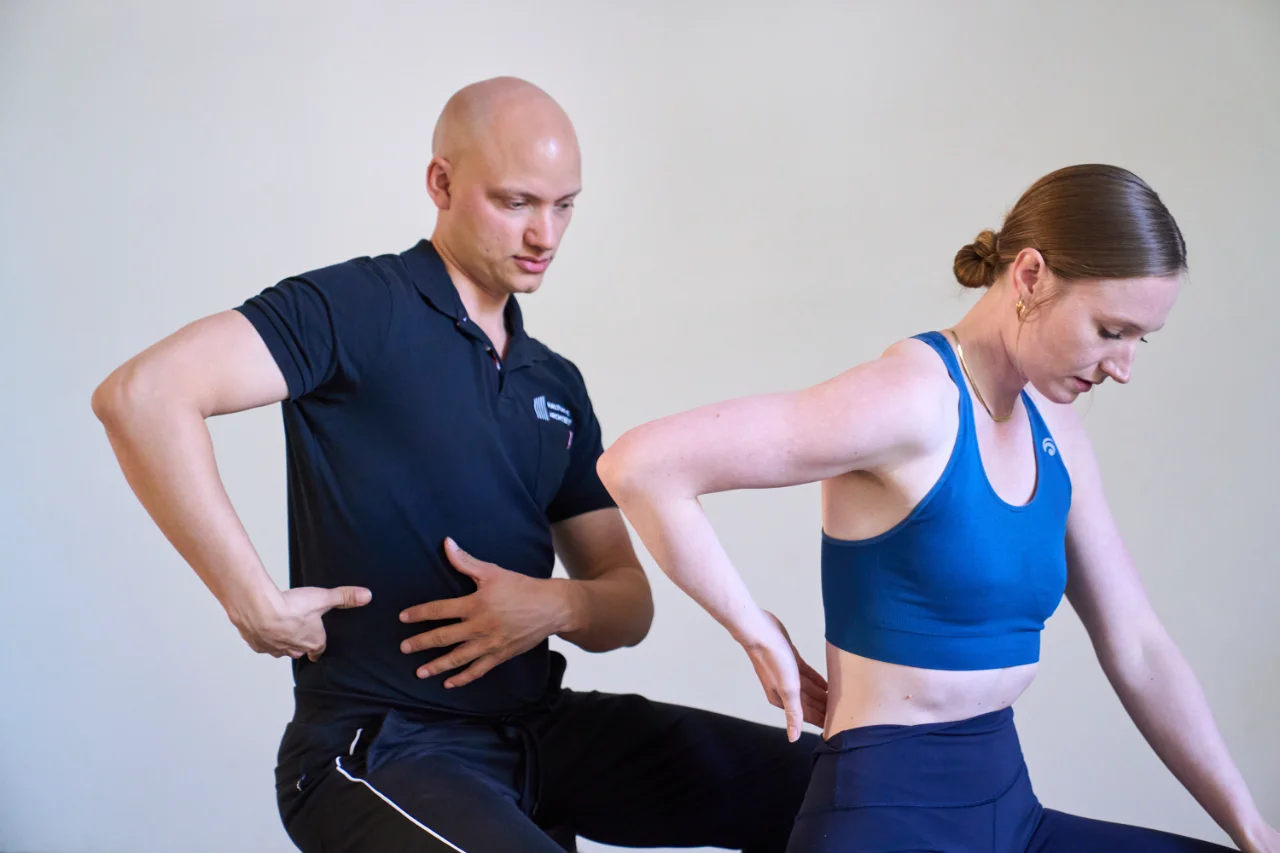
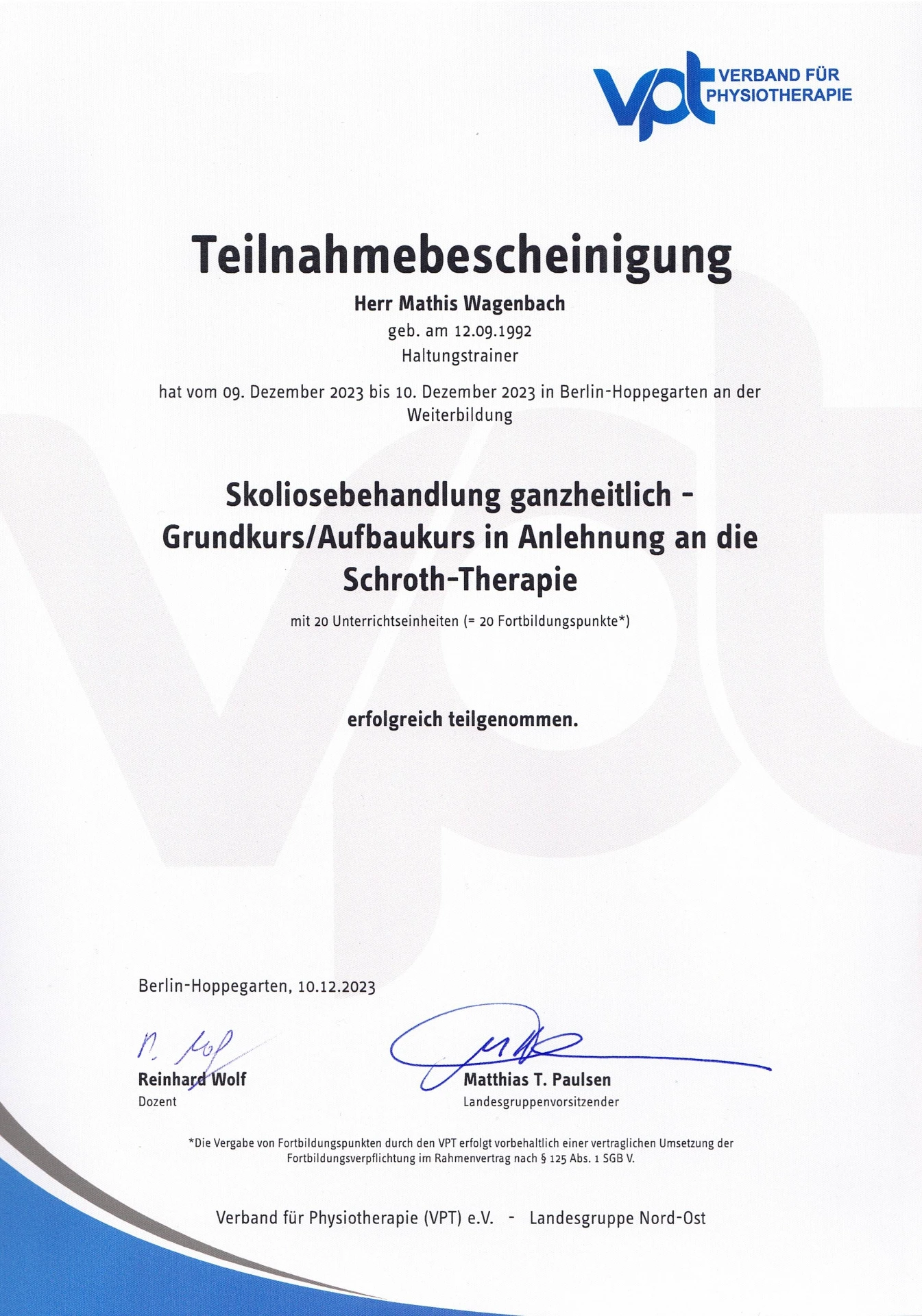
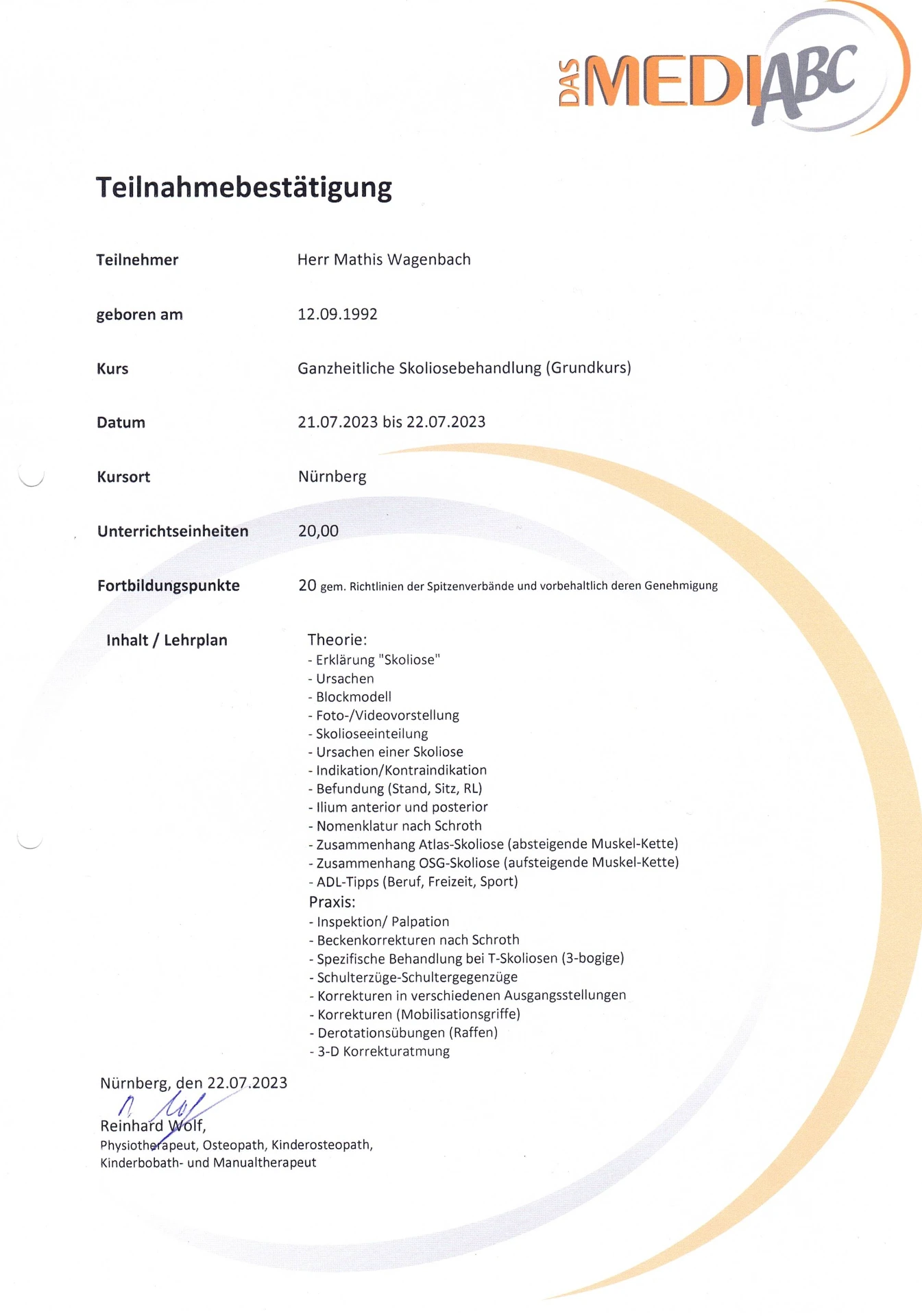
About Me - Scoliosis Expert Mathis
How I Became a Scoliosis Specialist: Schroth Therapy Training with Doctors and Physiotherapists
Let me be honest: When I started as a personal trainer in 2019, specializing in posture, scoliosis was completely new territory for me.
The problem: Most trainers know what scoliosis is, but they know nothing about its many variations and specific treatment methods. I was the same—beyond the common misconceptions, I had no real understanding.
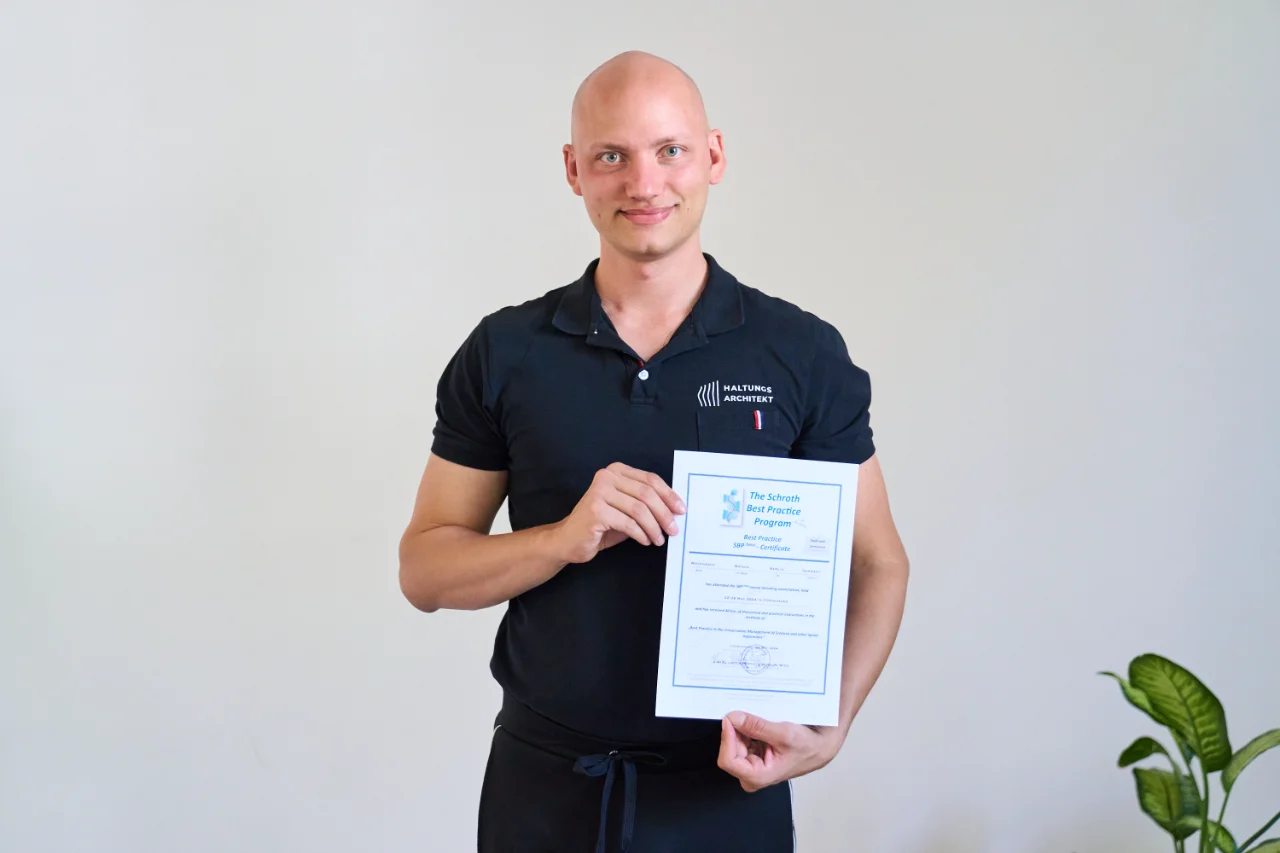
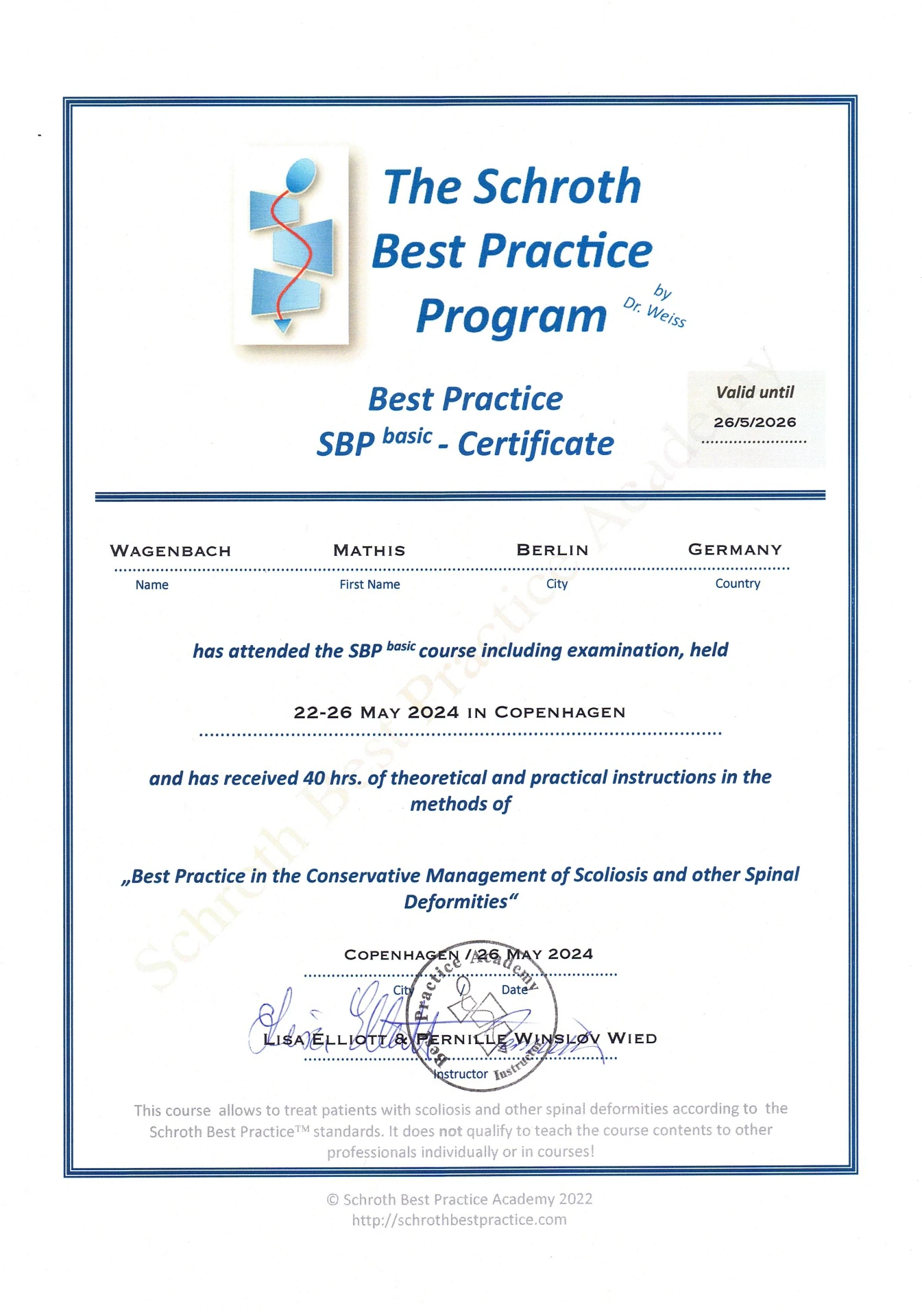
So I made it my mission to truly understand scoliosis. First, I dove deep into the scientific literature. Then, thanks to my passionate interest, I managed to attend workshops that are normally reserved for physiotherapists and doctors.
The result: Today, I work primarily with the Schroth Method – the globally recognized approach to scoliosis treatment that has been continuously refined over the past 100 years and is scientifically proven to help with scoliosis.
Real specialization, not surface-level knowledge.
Process
How the Scoliosis Coaching Works
Session 1
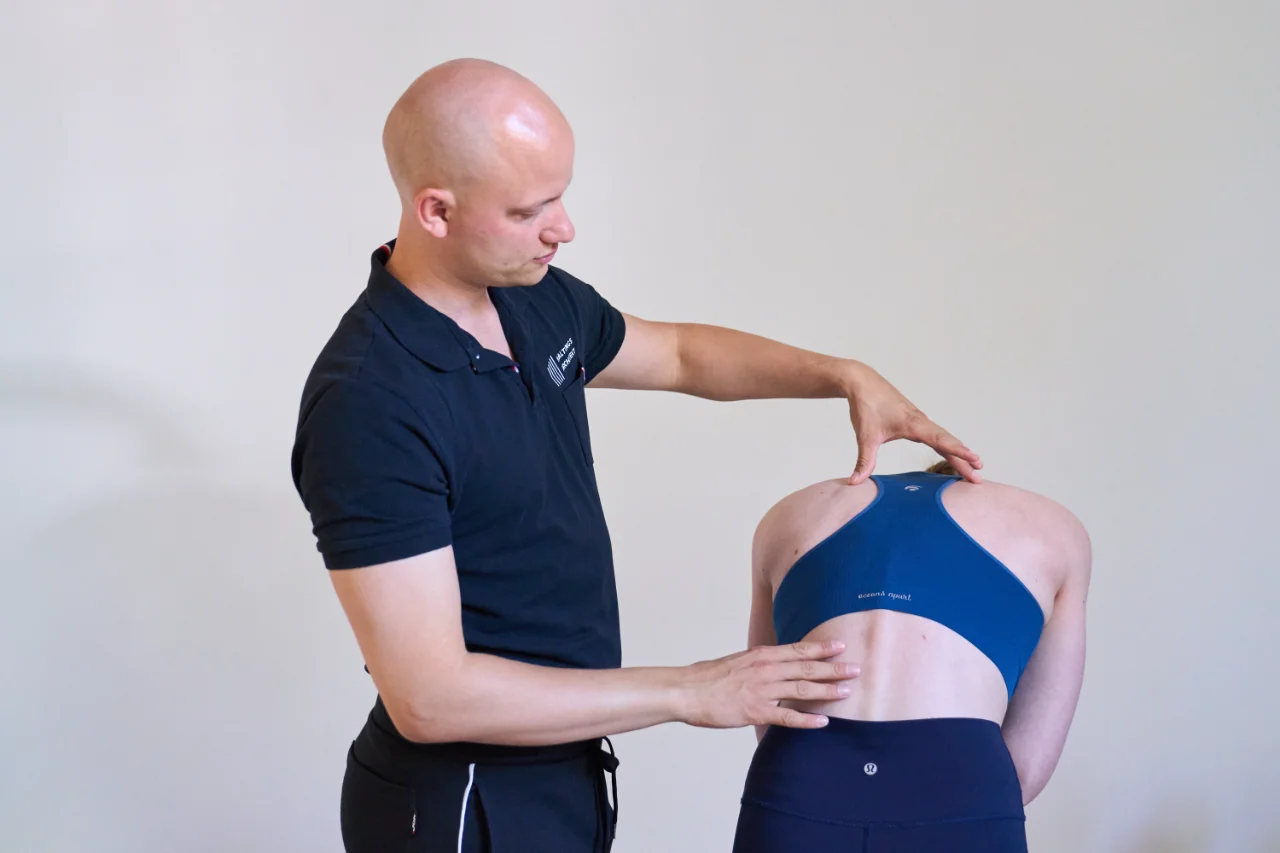
Medical History Intake and X-ray Evaluation:
In this first session, I conduct a comprehensive physical examination to identify your individual areas of focus.
You have the option to bring an existing X-ray of your spine or to have one taken after our first session.
Important note: Without an X-ray, an accurate analysis isn’t possible. Especially with mild scoliosis, imaging is essential, as visual assessment alone can lead to misdiagnosis. Using the X-ray, I measure your Cobb angle, determine your scoliosis pattern, and select the appropriate Schroth therapy for you.
Session 2
Diagnosis Evaluation
In the second session, you’ll learn what type of scoliosis your spine has.
I’ll take the time to explain your curvature pattern in detail and show you how to adjust your everyday posture to balance muscular imbalances and prevent the curves from worsening.
Session 3
Daily life Adjustments
The third session focuses on reinforcing what you’ve already learned.
What can you pay attention to while standing, sitting, lying down, and walking to relieve the tension caused by your scoliosis? You’ll also learn a quick exercise for in-between moments and how to use your breathing to take pressure off your spine.
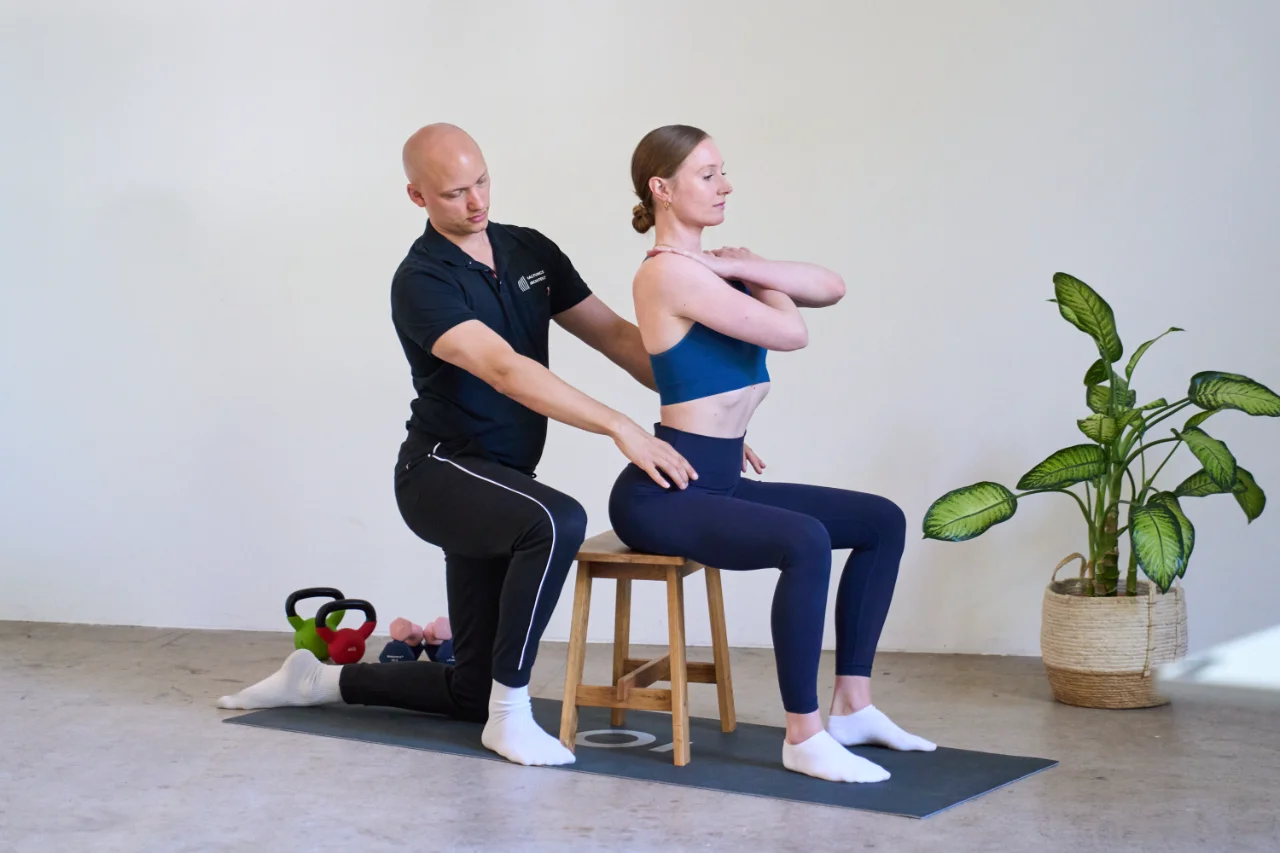
Session 4
First Exercises
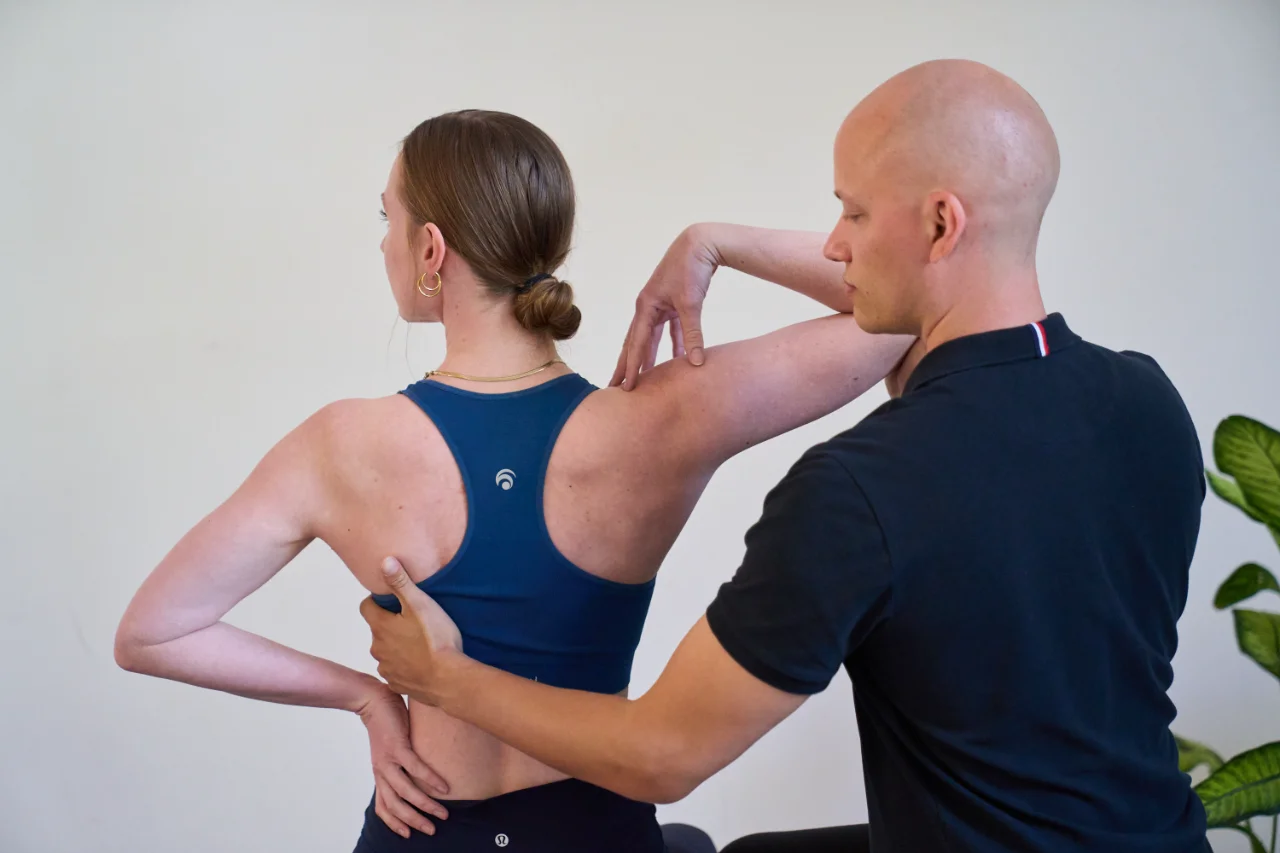
The fourth session is dedicated to learning two therapeutic exercises from classical Schroth therapy for scoliosis.
These exercises help reduce the muscular imbalances caused by scoliosis and provide relief from stubborn tension.
Session 5
More Exercises
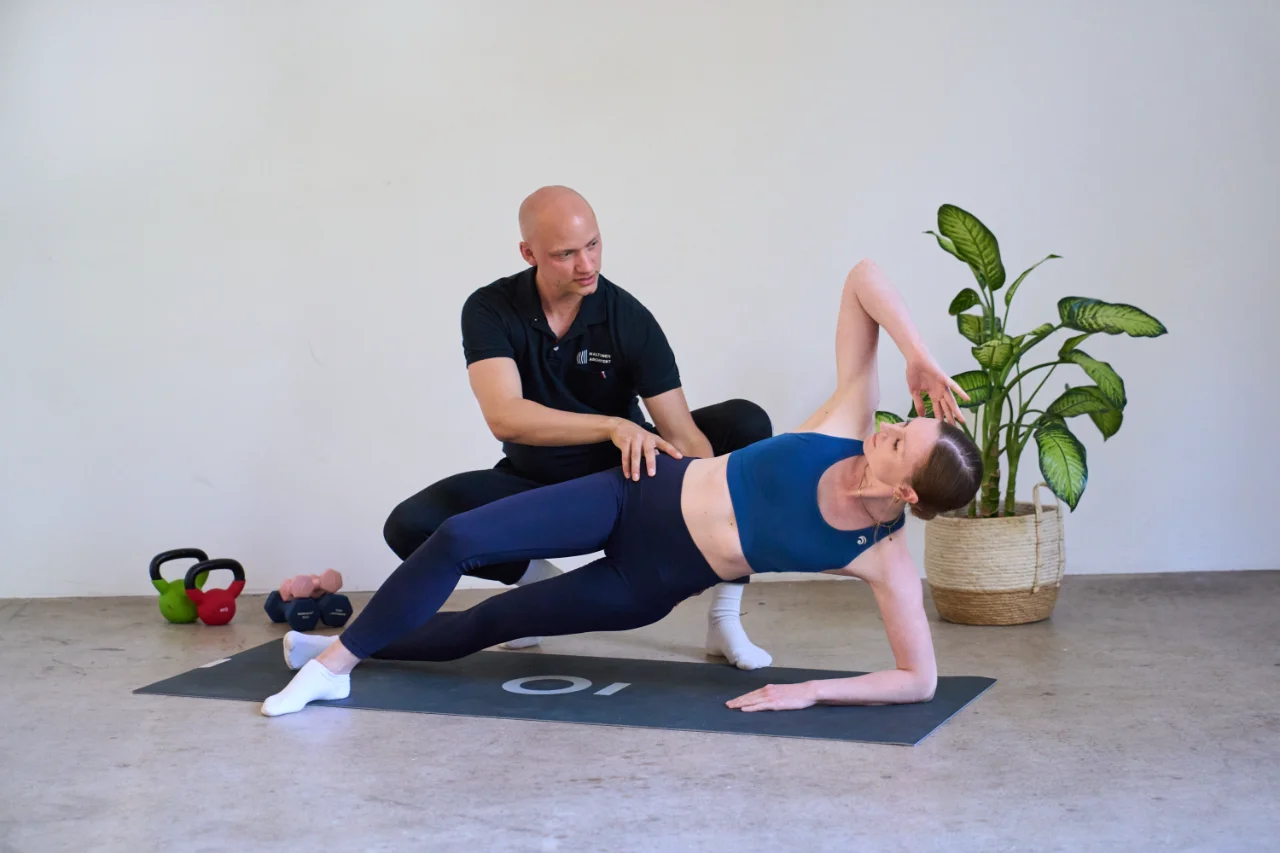
In the fifth session, you’ll learn three additional exercises to keep your training sessions varied and engaging.
You’ll understand the pattern behind how these exercises are structured, which will help you develop a better understanding of your scoliosis type.
Session 6
Open Questions
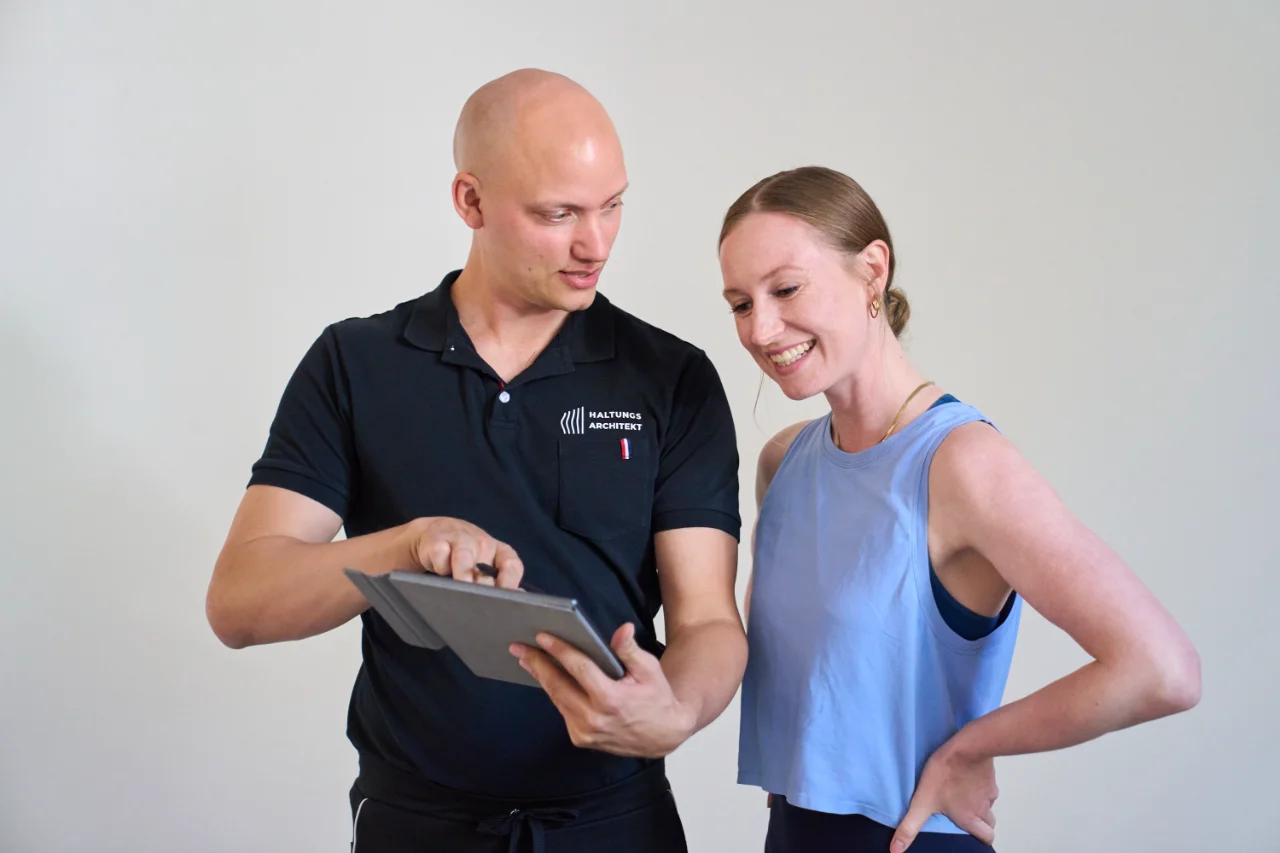
The sixth and final session serves two purposes:
reviewing what you’ve learned and addressing any questions that have come up, along with a final wrap-up conversation.
Prices
Coaching Price and Contents
Option 1
Basic Package
(6 Sessions)
€790
- Free Consultation
- Includes: X-ray Analysis + COBB Angle Measurement + Individual eBook
- 6 one on one Sessions
- 24/7 Availability for Questions
- Payment plan available: three installments of €270
Option 2
Extra Package
(8 Sessions + Extras)
€990
- Free Consultation
- Includes: X-ray Analysis + COBB Angle Measurement + Individual eBook
- 6 one on one Scoliosis Coaching Sessions
- 2 additional personal training sessions tailored to your scoliosis pattern
- 24/7 Availability for Questions
- Payment plan possible: three installments of €350
No Risk. You can cancel anytime + Money-Back Guarantee
After two joint sessions, you should know how I work. If you are not satisfied with the work and wish to discontinue prematurely, you will receive a refund. Each completed session will be charged at €150. The remainder will be refunded to you.
Is this coaching right for you?
You are in the right place if you:
- Have diagnosed scoliosis
- Want to understand how your scoliosis affects your body
- Are willing to invest 20 minutes per day
- Seek long-term improvement
This is not for you if you:
- Are looking for a “quick fix”
- Expect to completely reverse your scoliosis (this is only possible while you're still growing)
- Are not willing to practice regularly
FAQ
Will six hours of scoliosis coaching be enough to make my scoliosis disappear?
No. Completely getting rid of scoliosis is only possible while you are still growing.
Therefore, this coaching doesn’t aim to eliminate scoliosis. Rather, it focuses on helping you understand your condition and alleviating muscular imbalances and associated tension through lifestyle modifications and curve-specific therapeutic exercises.
Can my scoliosis worsen if I don't change anything?
It’s impossible to say for certain.
However, there are factors that can contribute to worsening. One is consistently poor posture in daily life. Another is weight training with improper form. Menopause is also a factor that can worsen scoliosis later in life – the sudden hormonal changes can alter tissue structures, potentially causing the curve to progress.
If you’re already experiencing problems due to your scoliosis, it’s a good idea to take action.
My child has scoliosis. Is this Coaching suitable for children too?
As long as your child is still growing and their growth plates haven’t closed, there’s a good chance of fully correcting the scoliosis.
In that case, you should first take your child to a specialist for brace treatment. Only after that foundation is established is Schroth Best Practice therapy – which my coaching is based on – worth considering.
I'm not sure if I have scoliosis or another postural issue. How does scoliosis affect my appearance?
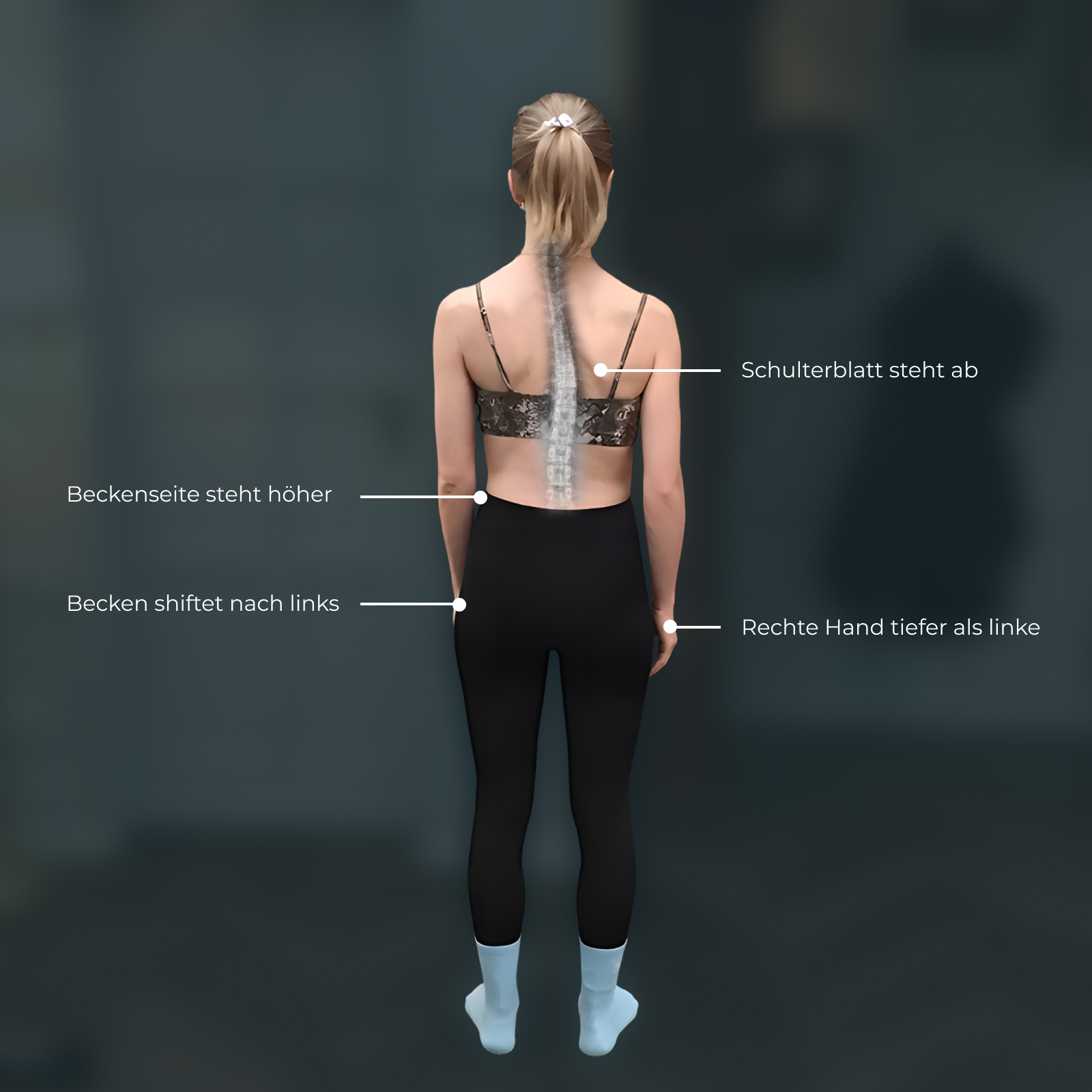
No two cases of scoliosis are exactly alike, but there are common characteristics that frequently appear.
These include pelvic tilt, uneven shoulders, more pronounced knock-knee on one side, a rib hump or flat back, and a tilted head when relaxed. These signs may indicate scoliosis, but an accurate diagnosis is only possible through medical imaging.
Is Schroth therapy a scientifically sound option for scoliosis?
Yes, Schroth therapy is the globally recognized standard method for conservative scoliosis treatment and is well-documented scientifically.
It’s built on over 100 years of continuous development, its effectiveness is supported by multiple scientific studies, and it’s internationally recognized and recommended in medical guidelines. Its evidence-based approach with specific exercise patterns for different scoliosis types makes it an established physiotherapy treatment that’s widely accepted in the medical community.
What does an X-ray cost and where can I get one?
The best and most cost-effective way to get a full spine X-ray in Berlin is through Helios Klinikum – Emil von Behren.
Address:
Walterhöferstraße 11,
14165 BerlinContact Person:
Priv.-Doz. Dr. med. Christian AlthoffPhone number for appointments:
004930 8102 63700Price:
Approximately €60 for self-paying patientsWhat is the difference from regular physiotherapy?
What’s the difference from regular physiotherapy?
Former clients have told me: Personal attention in traditional physiotherapy is often minimal. The reason is structural—with only 20 minutes per treatment and over 100 patients daily per practice, there’s barely any time for explanations. On top of that, you often see different therapists each time, which prevents any consistent, meaningful progress from developing.In my coaching, you get the time you deserve. Through structured one-hour sessions, I guide you step-by-step from theory to practice. You’ll understand not just what you’re doing, but why—and you’ll be able to independently integrate what you’ve learned into your daily life.
The result: Instead of blindly copying exercises, you develop a real understanding of your scoliosis and achieve lasting results through independent application.
Can I do the exercises at home?
Yes, that’s actually encouraged.
But here’s what’s important to understand: The coaching’s success doesn’t come from simply performing exercises, but from understanding their underlying patterns and integrating them into your daily life. Once you grasp why the exercises are structured a certain way, you can apply this approach to how you sit, stand, walk, and lie down.
This is the key difference from conventional physiotherapy.
What happens if I don't have X-rays?
Without X-rays, smaller curves are difficult to analyze, making successful treatment in just six sessions nearly impossible.
You’d be relying solely on perceived changes, which often leads to choosing the wrong exercises. It’s not uncommon to only realize you’ve been on the wrong path when things get worse. To prevent exactly this, I work exclusively with X-rays as the foundation for accurate diagnosis and treatment strategy.
3-Curve and 4-Curve Scoliosis Explained:
3-Curve Scoliosis
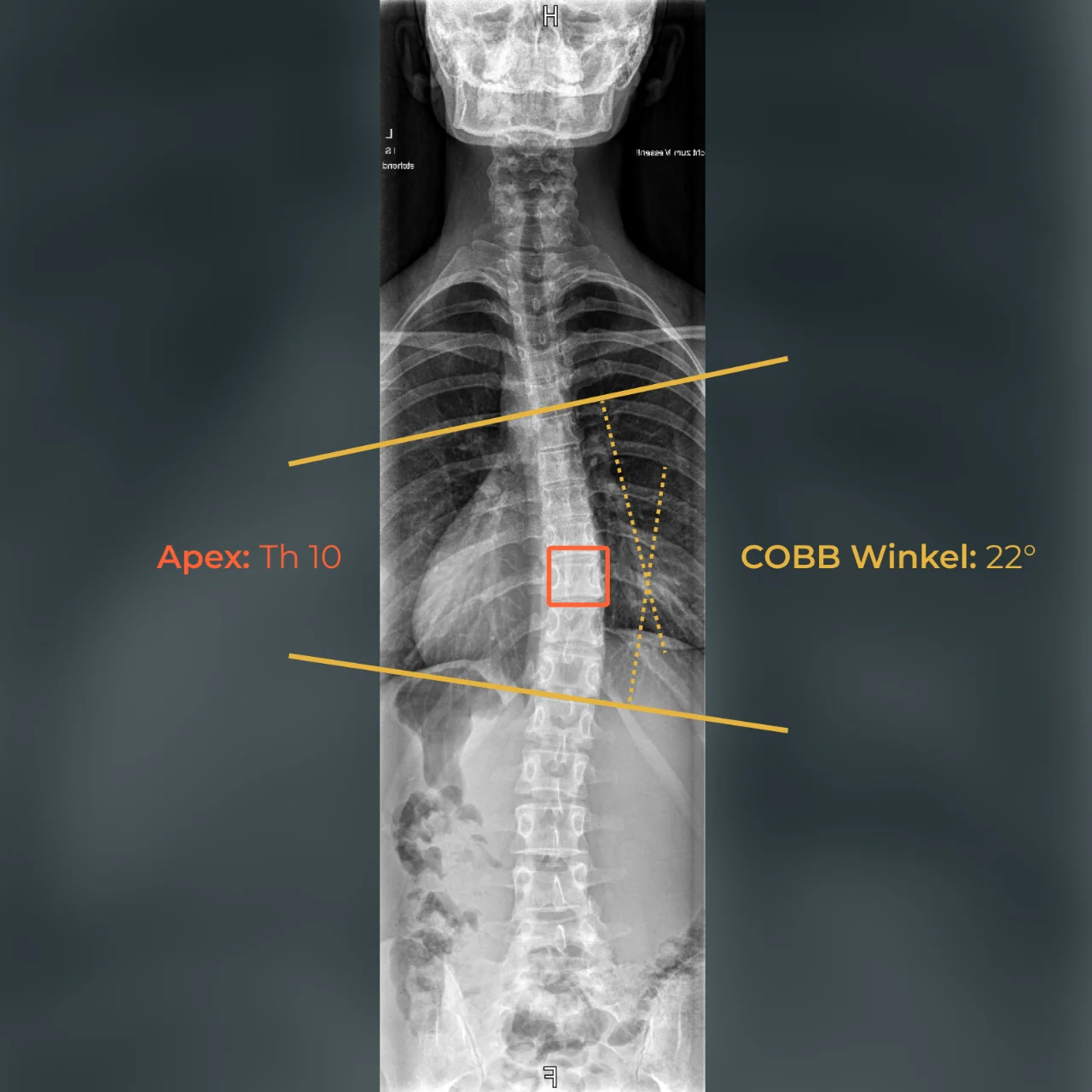
The Cobb angle describes the severity of the curvature. Here, the strongest curve is in the thoracic spine region. This is what’s called 3-curve scoliosis. In 3-curve scoliosis, the primary curve is in the thoracic region. In 4-curve scoliosis, the largest curve is in the lumbar region.
The apex refers to the vertebra that extends furthest to the side due to the curvature.
Based on the Cobb angle and apex, we can determine which scoliosis type you have. In modern Schroth therapy, seven different classifications are distinguished.
The classification is essential for selecting the correct treatment.
The patient shown here has a 3-CH classification: 3 curves without significant hip shift.
The scoliosis is right convex, as the thoracic curve bends to the right.
4-Curve Scoliosis
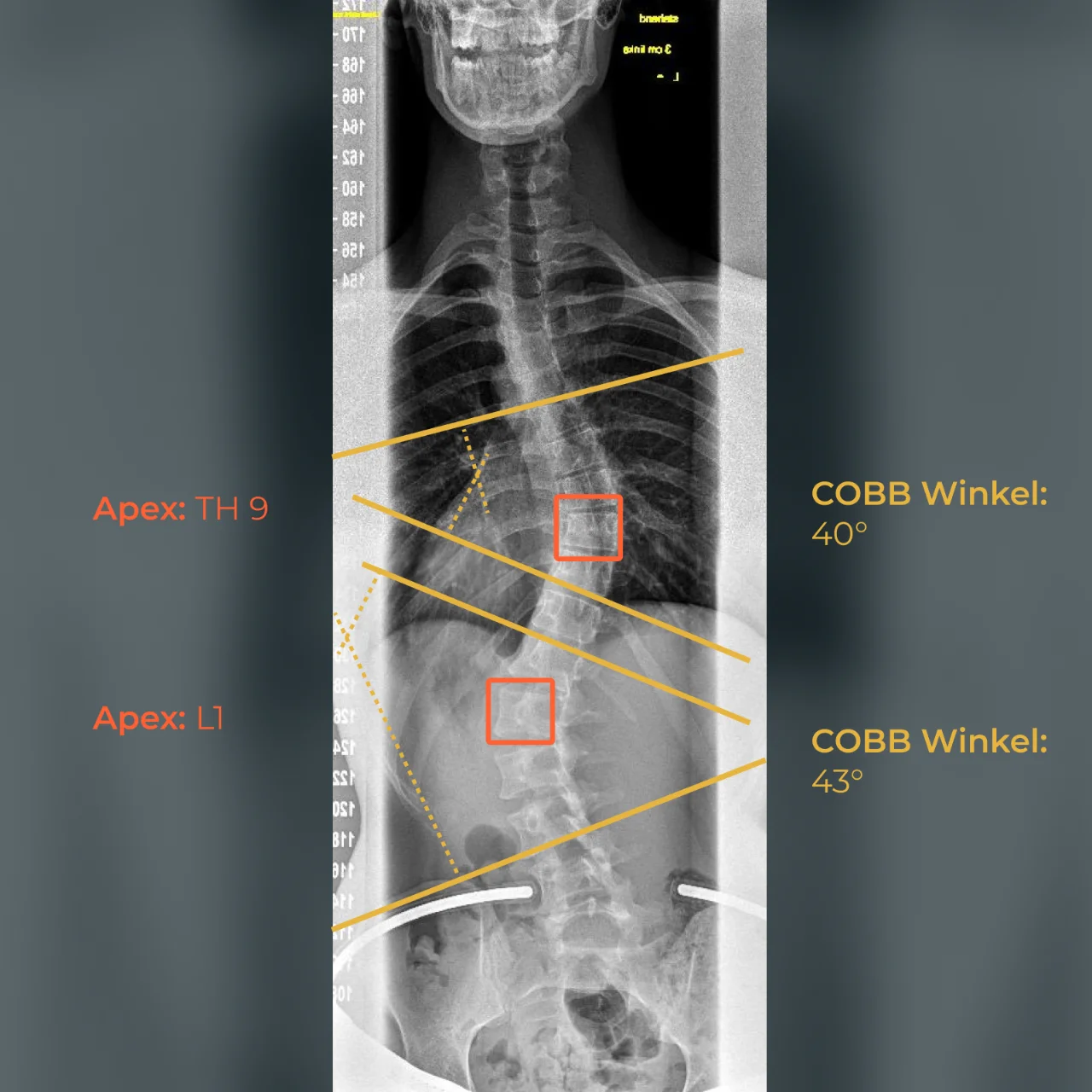
Here, the strongest curve is in the lumbar spine region. This is what’s called 4-curve scoliosis.
Since significant curvature occurs in both the thoracic and lumbar regions, there are two apices.
Based on the Cobb angles and apices, this is a 4C classification, also known as double major.
The scoliosis is right convex, as the thoracic curve bends to the right.
The Evolution of Schroth Therapy: From Katharina Schroth to Modern Scoliosis Coaching
Schroth therapy has an impressive developmental history dating back to the 1950s, when Katharina Schroth developed her revolutionary conservative method for scoliosis treatment. Her focus was primarily on severe 3-curve scoliosis with Cobb angles over 70°—presentations that fortunately occur less frequently today.
In the 1970s, Christa Lehnert-Schroth, Katharina’s daughter, continued her mother’s legacy and adapted the therapy to changing lifestyles. She recognized that scoliosis patterns were also evolving with modern daily life and developed treatment approaches for the newly identified 4-curve scoliosis.
The decisive breakthrough for practical everyday use came from Dr. Hans-Rudolf Weiss, Katharina Schroth’s grandson. The original therapy required weeks of inpatient treatment and was difficult for patients to apply independently. Weiss drastically simplified the complex exercises and developed the “Schroth Best Practice” method, which enables patients to better understand their scoliosis patterns and apply them independently in daily life.
My scoliosis coaching is built on this 70+ year evolution. Through my training in both classical Schroth therapy and Schroth Best Practice, I can offer you the best of both worlds: proven tradition combined with modern practical application.